Video and Sound Production - Exercises
26/Apr/2024
ZHANG HANYUAN/0363727/Bachelor of Design (Honors) in Creative Media
Video & Sound Production /Taylors University
Video and Sound Production - Exercises
Introduction
Briefing:
week 1:
week 2:
week 3:
LECTURE
Mr. Martin brief us about the assignments that we need to do throughout this semester and some of the exercise that need to be done in week 1. Video Sound production which is a time base project module, which we have pre production, production and post production.
Pre-production
1.Idea development 2.story 3.story board 4.visual reference 5.Location / Props
Production
1.Lighting 2.Costume 3.Principal Shooting
Post production
1.Offline editing 2.Online editing 3.Audio editing
- ultra wide angle lens
- Wide-angle lens
- medium wide angle lens
- medium shot
- Medium close-up
- close-up
- Extreme close-up
- over the shoulder shot

- 45° angle (3/4 angle): Makes the subject look more three-dimensional and natural.
- Multi-surface shooting: When shooting two or more surfaces, using the right angle can enhance the three-dimensional feel of the scene,
- Decreasing parallel lines: Adjust the camera angle so that the parallel lines gradually decrease and converge to the right,
- Low angle: When the shooting angle is low, the subject looks taller and stronger, which is suitable for creating majestic scenes or emphasizing the power of the subject.
- Corner of the eye: Usually used for portraits or shooting dynamic scenes.
- High angle: Can create a bird's-eye view, used to emphasize the vulnerability of the subject or make the subject look smaller.
- Dynamic screen direction refers to continuous screen movement in a video, making sure objects or characters move in the same direction to show progress and keeping the camera shooting from the same side.
- In static screen orientation, the camera should remain on the horizontal axis without crossing over to avoid disorientation for the audience.
- Following the 180° rule is crucial to ensuring visual continuity and plot clarity.

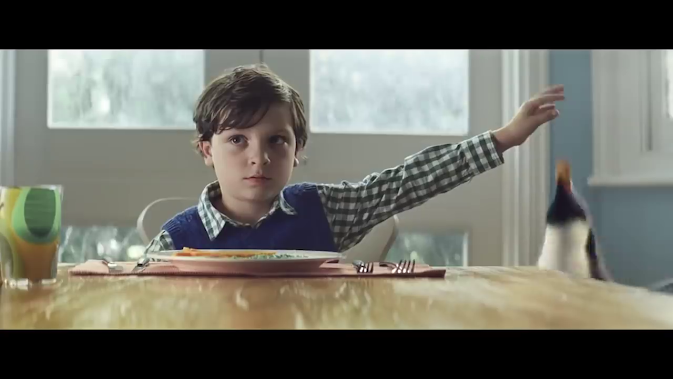
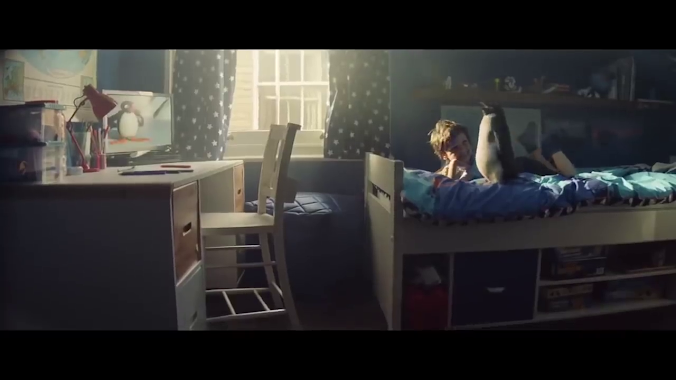
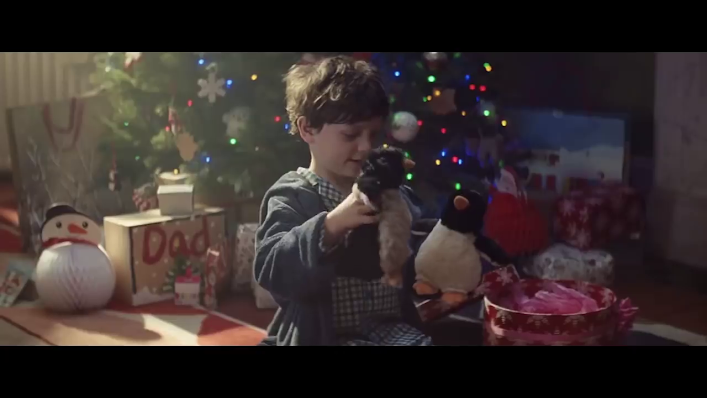
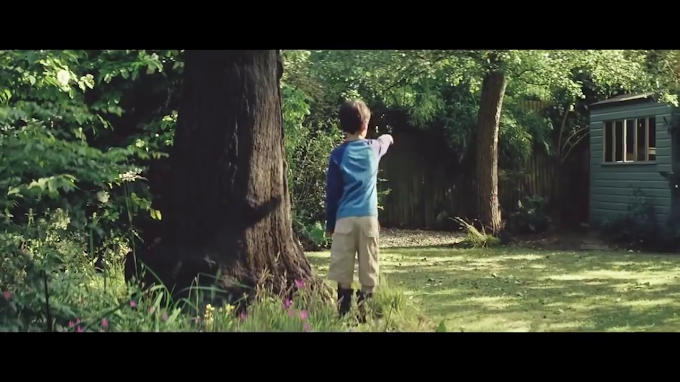
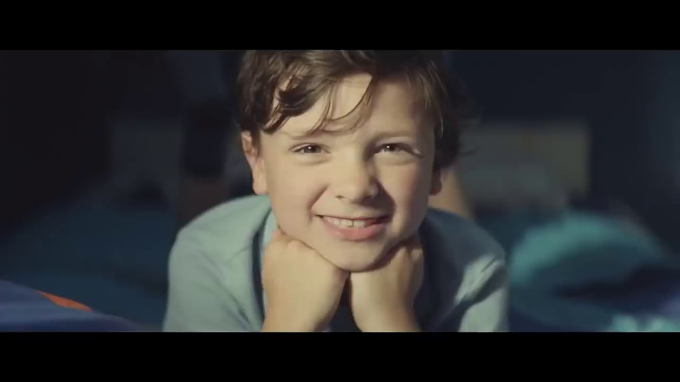
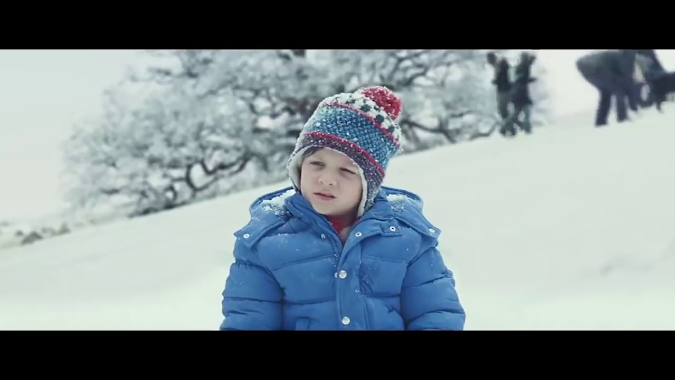
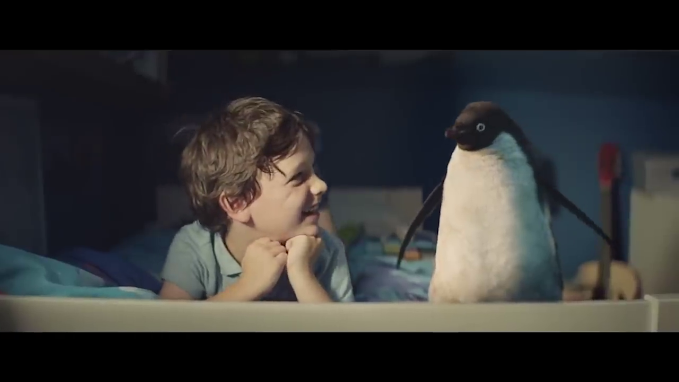
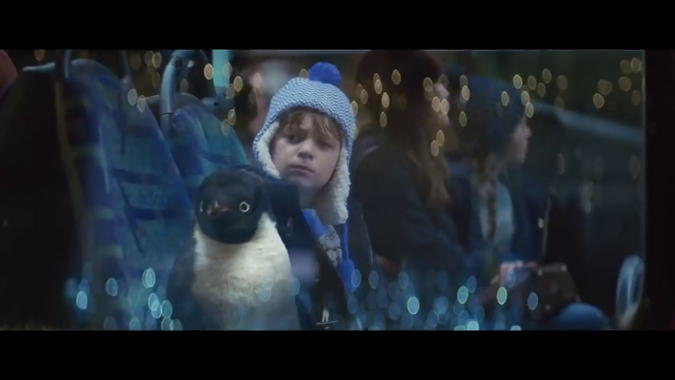
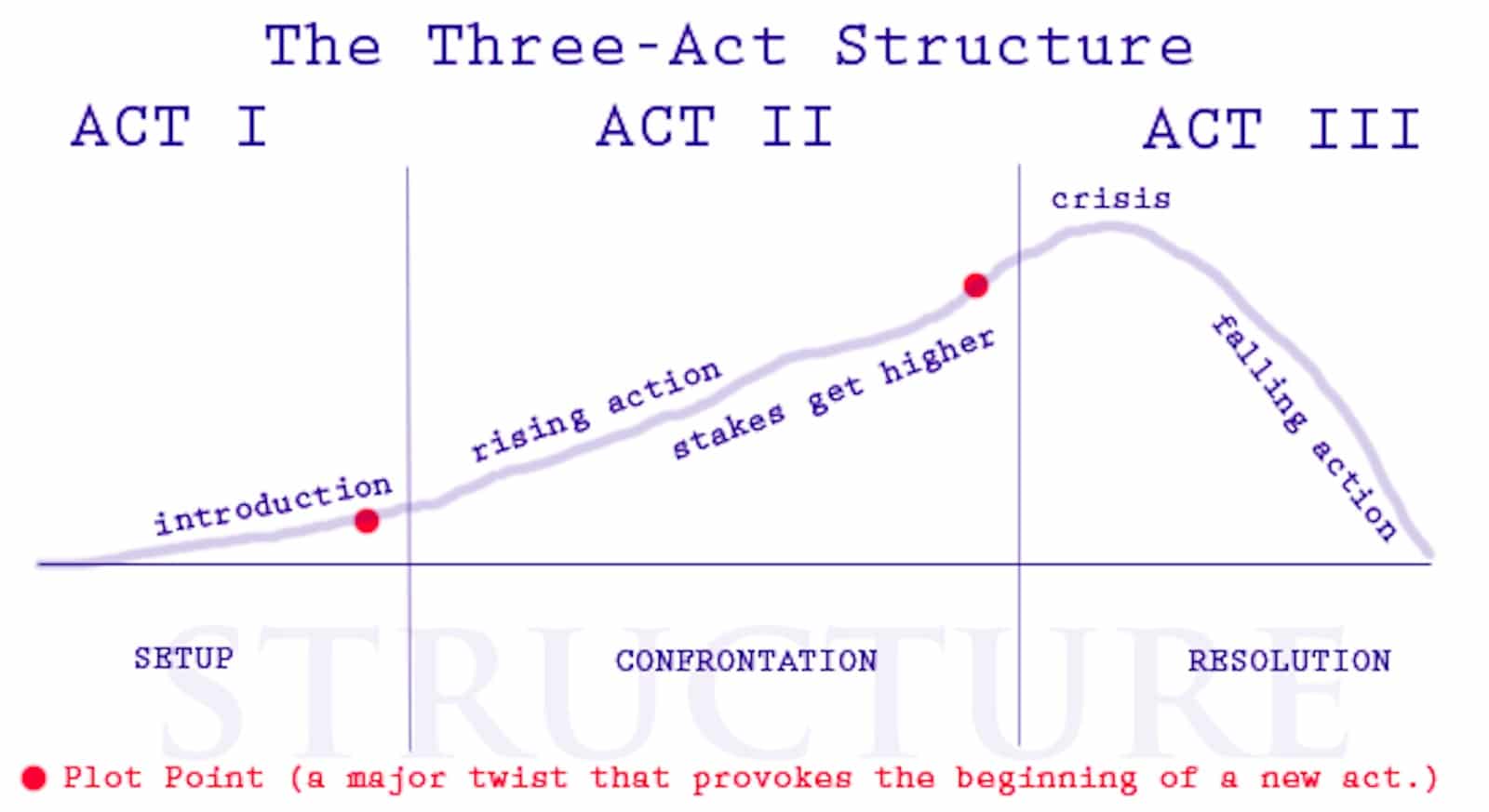 |
- Introduce the world and main characters of the story
- Create dramatic situations
- Introduce an event that makes the story more complex (plot point 1)
- Act 2: Middle/Confrontation
- Create obstacles and complications that prevent characters from achieving their goals
- The climb leading up to the story (plot point 2)
- climax reaches peak
- Solve all obstacles and problems
- Loosely wrap up the storyline
- Inciting Incident: A significant event occurs that triggers a turning point in the story.
- Taking the story in a new direction: A character is faced with a new challenge or opportunity that changes the direction of the story.
- Climatic Turning Point: The story reaches a tense climax and the protagonist's mission reaches a critical point.
- Possible solutions are presented: characters face decisive choices to try to solve a problem or achieve a goal.
- The biggest suspense: The audience is not sure whether the protagonist will succeed, creating tension and anticipation, wondering whether the protagonist will win or lose.
Act 1 scene
Lalin is a girl from Thailand who suffered from negative comments on social media. She chose to study in Japan. In reality, she always uses a mask to hide her inferiority complex in appearance, but she always posts retouched photos on social media and has received a lot of praise.
Later, Larin received a message from Thai novelist Nut. The other party hoped that Larin would translate his work and publish it in Japan. Lalin agreed to help and began a lengthy online chat with NUT.
Act 2 scene:
Lalin and NUT's relationship gradually warmed up, and they started chatting and even video chatting. But when Nuo asked him why he was wearing a mask during a video call, she always avoided saying it was because of allergies.
Later, when Nut came to Japan to invite Larin to meet and was happy about it, Larin was not confident about his appearance.
At the climax of the story, Larin rejects NUT's invitation. Although NUT was rejected, he still let Lalin read his book.
Act 3 scene:
When Lalin read NUT's book, he found that the story was that Nut and Lalin met for the first time, but Nut was fat, but Lalin hugged him and encouraged him. When Larin wanted to see Nut, Nut had already left.
What is the inciting incident in the movie?
Larin has had a lot of negative comments on social media because of her appearance. She wanted to escape, so she came to Japan to study. and posts his edited photos online.
What is the middle scene of the movie?
Larin and Nut started chatting frequently, even video chatting. When NUT asked her why she was wearing a mask, she avoided it because of allergies.
What is the climactic scene in the movie?
When Nut came to Japan and wanted to meet Larin, Larin chose to escape because of his lack of confidence in appearance.
What is the theme of the movie?
The theme of the story is to tell people to be confident and not to be confident in themselves just because they are not restrained. Everyone has their own advantages, and appearance is not the only criterion for evaluating a person.


Midground: This is the area between the foreground and the background. It acts as a transitional zone, where the main subject of the image often resides, providing a sense of depth.
Background: This is the part of the scene that lies behind the main subject of the image. It often provides contextual information and helps to add depth and layers to the composition.

Depth of Field (DoF) refers to the range of distance within a photograph that appears acceptably sharp. It indicates how much of the background and foreground area around the focal point is in focus.
Deep Depth of Field means more of the image is in focus, from the foreground to the background. It's often used in landscapes to ensure everything from the nearest to the farthest points are sharp.

Shallow Depth of Field means only a small part of the image, typically where the subject is focused, is sharp, while the rest of the image (foreground and background) is blurred. This effect is often used in portraits to emphasize the subject by blurring the background.

Deep Depth of Field: This landscape image shows everything from the close-up flowers to the distant mountains in sharp focus, illustrating a deep depth of field.
Shallow Depth of Field: This portrait image highlights a woman reading a book in a park, with her sharply in focus and the background featuring blurred trees and people, depicting a shallow depth of field.
The 180 degree rule is a basic guideline in film making and cinematography that helps maintain spatial consistency and orientation in a scene. This rule stipulates that two characters in a scene should maintain the same left/right relationship to each other. To achieve this, the camera should stay on one side of an imaginary line drawn between the two characters. This line is often referred to as the "axis of action."
By keeping the camera on one side of this axis, the spatial relationship between the characters remains consistent to the viewer, avoiding potential confusion. Crossing this line can disorient the audience because the characters will appear flipped.
Continuity in cinematography refers to the seamless flow of the action or the visual narrative from one shot to another without any jarring visual contradictions. It ensures that the story moves forward in a way that is logically coherent and visually stable, helping the audience maintain their suspension of disbelief. Continuity involves maintaining consistent character positions, props, costume, and the direction of movement from shot to shot.
To determine if a video adheres to the 180 degree rule, you would watch to see if the camera maintains its position relative to the axis of action throughout the scene. If the camera crosses this line, it can result in a reverse in the screen direction (i.e., a character that was on the left in one shot appears on the right in the next), which can be disorienting unless done deliberately for a specific effect.
If you have a specific video or scene in question, I can help analyze it based on a description or by viewing stills to determine if it adheres to the 180 degree rule.
Week 1 | Video Editing Practice
Arrange video clips in Adobe Premiere Pro
The first Mints advert video clip is numbered accordingly, so we can complete the sequence in numbered order. The second Doritos advert video clip is not numbered sequentially, so we need to watch the video clip to complete the sequence.

Exercise 2
Week 1 Editing Exercise (Independent Learning)
After that, we were asked to combine another videos of Doritos advertisement. A little bit different from exercise 1, the exercise 2 video clip is not according to the order, so I need to watch each of the videos and stitch them together into one.
week 2
Youtube link:https://www.youtube.com/watch?v=VYlszA-5Mu4
Final cut video:
Week 1
Reflection on Class Materials
In the first materials study, I learned about shot size, composition, and camera angles. Shot size refers to the amount of space visible within a single shot or frame. Camera angle refers to the position of the camera relative to the subject being photographed. Shot size refers to the amount of space visible within a single shot or frame. Camera angle refers to the position of the camera relative to the subject. Composition refers to the arrangement of visual elements within a shot or frame. After reading this material, I learned that different lens sizes can convey different types of information. Different shooting angles can create different perspectives and convey different messages. Composition can catch the viewer's eye and convey meaning and emotion. By studying this material, understanding shot size, composition, and camera angles not only improves my technical skills, but also enhances my artistic expression, allowing me to better convey emotion and story.
Asynchronous Classroom Quiz Results

Week 2
Asynchronous Classroom Quiz Results

Week 3、
Reflection on Class Materials
In the asynchronous class material from Week 3, I learned about what is storyboarding? A drawing, sketch, reference image or photo that represents each frame. Description of the shot - any relevant information about the action, dialogue, or composition. Lens specifications - lens size, lens length, two shots, etc. Arrows indicate camera and character movement or how each shot connects to the next. Storyboarding is an integral part of the filmmaking process. It is not only a tool for planning and displaying shots, but also a core link for team collaboration and creative expression. With well-designed storyboards, film production can proceed more efficiently and methodically, allowing the creator's artistic vision to be realized.
Asynchronous Classroom Quiz Results

Week 4
Reflection on Class Materials
After reading the materials distributed by the teacher for the fourth week, I learned that the stages of film production can be divided into three main stages: pre-production, production and post-production. Pre-production: Writing the script, creating storyboards, casting actors, scouting locations, designing sets and costumes, and hiring crew. Production: The actual filming phase. The production team will work together to shoot all the shots required for the film, following pre-production planning and preparation. Post-production: tasks such as editing and arranging scenes, adding music and sound effects, color grading and visual effects. Production Team The production team consists of professionals including directors: overseeing the entire production process to ensure that the project's creative vision is realized. Producer: A producer is responsible for the logistical and financial aspects of a production. Cinematographer: Responsible for the visual aesthetics of a film. Production Designer: Responsible for the overall visual design of a film, including sets, costumes, and props. Sound Designer: Responsible for the sound of the film, including the recording and editing of dialogue, sound effects, and music. Editor: Responsible for combining footage into a coherent and engaging story.
You can cultivate global vision and teamwork, understand the overall process of film production, cultivate macro thinking, and make overall planning; film production is the crystallization of teamwork, learn to communicate and cooperate effectively with team members, and maximize everyone's potential.
Asynchronous Classroom Quiz Results


Comments
Post a Comment